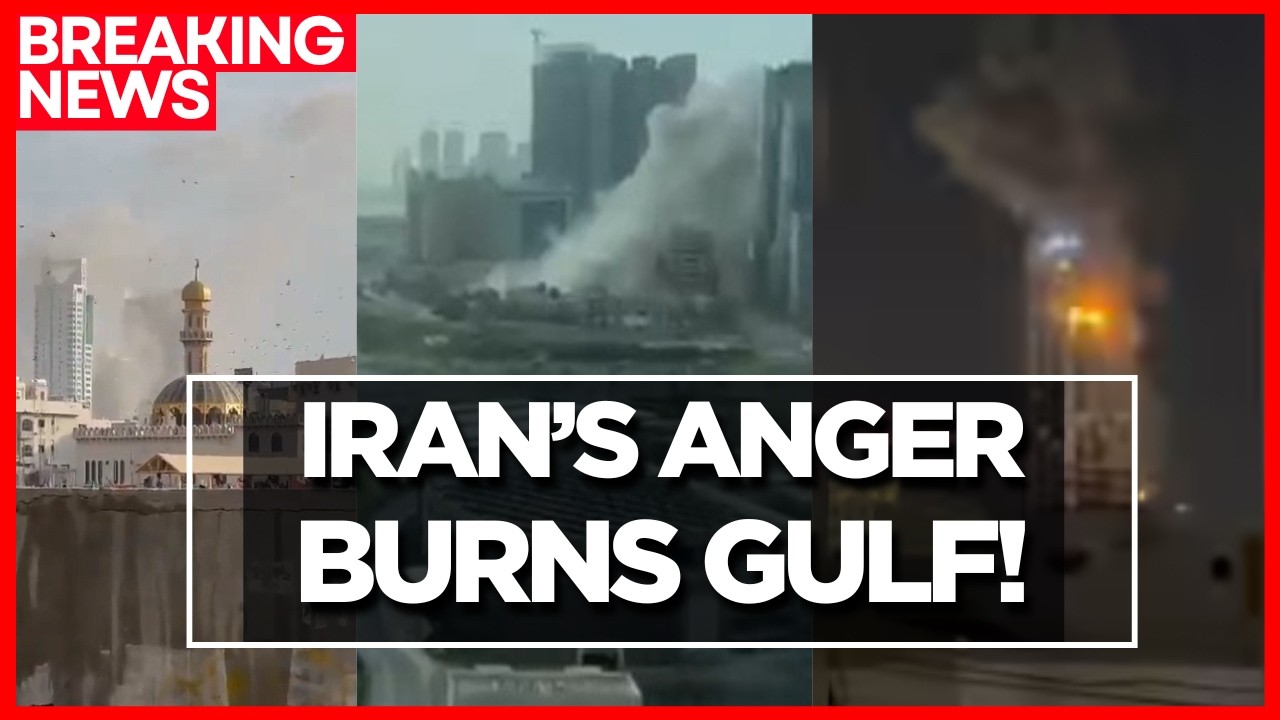
Gulf Crisis Erupts: Explosions Rock Doha and Manama as Iran Retaliates
The Middle East has been plunged into a new, dangerous chapter of conflict, marked by escalating tensions and direct military engagements across multiple fronts. In a dramatic turn of events, residents in the Qatari capital, Doha, and the Bahraini capital, Manama, awoke to the alarming sounds of powerful explosions on Thursday morning. These incidents, widely reported by news agencies like Agence France-Presse (AFP), signify a perilous expansion of hostilities, directly drawing Gulf states into a rapidly unfolding regional confrontation spearheaded by Iran's retaliatory actions.
This latest surge in violence follows a week of intense military activity. Since Saturday, a joint aerial campaign by Israel and the United States against Iran reportedly resulted in the death of Supreme Leader Ali Khamenei. In response, Tehran has unleashed a series of aggressive missile and drone attacks, targeting not only Israel but also a growing list of neighboring Arab nations and American military installations. The reverberations of these Iran's Regional War: Doha Strikes, Abu Dhabi Injuries, US Casualties are being felt globally, threatening to destabilize an already volatile region and sending shockwaves through international markets.
Escalation Across the Gulf: The Roar Over Doha and Manama
The thud of distant blasts and the subsequent columns of black smoke observed rising over Doha served as a stark reminder of the conflict's expansion. Qatar's defense ministry swiftly confirmed that its military was actively engaged in intercepting an incoming missile attack, highlighting the immediate threat posed to civilian populations and critical infrastructure. Similar reports of explosions emanated from Manama and even Dubai, underscoring the widespread nature of these new Iranian salvos.
The gravity of the situation prompted immediate diplomatic reactions. In a heated phone call just hours before the fresh attacks, Qatari Premier Sheikh Mohammed bin Abdulrahman Al Thani reportedly confronted Iranian Foreign Minister Abbas Araghchi. According to a statement from Qatar's foreign ministry, the Qatari premier accused Iran of deliberately seeking to "harm its neighbors and drag them into a war that is not theirs." This public dressing-down reflects the deep concern and frustration among Gulf nations who fear being unwillingly drawn into a broader conflict stemming from the US-Israeli actions against Iran.
The security implications for residents and expatriates in these vibrant Gulf cities are profound. As a precautionary measure, Qatar initiated the evacuation of residents living near the U.S. embassy in Doha, signaling the heightened alert status. Authorities across the Emirates have repeatedly issued siren alerts, informing the public that loud sounds heard are often the result of successful air defense interceptions. While these systems have demonstrated efficacy, the very need for such constant vigilance underscores the precarious security environment.
Abu Dhabi's Close Call: Civilian Casualties Amidst Interceptions
While Doha and Manama experienced the direct impact of these strikes, the United Arab Emirates also felt the fallout. In a concerning incident in Abu Dhabi, falling debris from an intercepted drone resulted in injuries to six individuals. The shrapnel, originating from a successfully intercepted unmanned aerial vehicle, landed at two separate locations within the ICAD 2 industrial area. The Abu Dhabi media office confirmed that the injured were Pakistani and Nepalese nationals, sustaining minor to moderate wounds.
This incident, though not directly a result of an explosion on impact, vividly illustrates the inherent dangers of aerial confrontations, even when defensive measures are successful. The presence of foreign nationals among the injured highlights the cosmopolitan nature of Gulf cities and the broad demographic impact of such attacks. It also serves as a critical reminder for residents to heed official warnings and safety protocols during times of heightened tension. Authorities in the UAE have been proactive in communicating with the public, reassuring them about the capabilities of their air defenses while simultaneously urging vigilance.
The human cost of this escalating conflict is growing. Beyond the civilian injuries in Abu Dhabi, at least 13 people have been killed across the Gulf region since Iran commenced its retaliatory attacks on Saturday, including seven civilians. Furthermore, the conflict has claimed the lives of six U.S. servicemen, with four of those casualties occurring in Kuwait, underscoring the multinational reach and deadly consequences of these attacks.
The Strait of Hormuz: A Global Energy Chokepoint Under Siege
Adding another layer of global concern to the regional crisis, Iran has implemented a severe naval blockade on the Strait of Hormuz. This vital waterway, through which a significant portion of the world's oil supply passes, is now a perilous zone. Reports indicate that Iranian forces are actively targeting oil tankers attempting to navigate the strait, effectively choking off a major artery of global energy supply. This aggressive move has immediately sent global markets into a tailspin, with oil prices surging and fears of a broader economic downturn intensifying.
The strategic importance of the Strait of Hormuz cannot be overstated. It is the sole sea passage from the Persian Gulf to the open ocean for oil from Bahrain, Iran, Iraq, Kuwait, Qatar, Saudi Arabia, and the UAE. Disruptions here have immediate and far-reaching consequences for global energy security and international trade. Iran's actions represent a deliberate attempt to leverage its geographic advantage to exert maximum pressure on international powers and economies. For a deeper dive into the economic ramifications, explore our related article: Hormuz Blockade & Gulf Attacks: Global Markets in Turmoil.
Businesses operating in the energy sector, shipping industries, and international logistics must now contend with an unprecedented level of risk. The increased cost of insurance, the potential for supply chain disruptions, and the volatility of energy prices present significant challenges. This situation demands careful risk assessment and the exploration of alternative supply routes or energy sources, wherever feasible, though options are limited given the strait's unique role.
Broader Regional Impact: From Lebanon to US Bases
The conflict's tentacles extend far beyond the Gulf. Following the news of Khamenei’s alleged assassination, Hezbollah, a powerful Iranian-backed group, launched a heavy barrage of rockets into northern Israel on Sunday. This significant escalation has dragged Lebanon into a full-scale confrontation, with the Israeli military responding with devastating airstrikes across Southern Lebanon and the southern suburbs of Beirut. The already fragile political and economic situation in Lebanon is now under immense pressure, facing the prospect of widespread destruction and a renewed humanitarian crisis.
The interconnectedness of these regional conflicts means that an attack in one area quickly reverberates through others. The deployment of US forces in the region, particularly at bases in countries like Kuwait, further complicates the dynamics, making them potential targets in Iran's stated aim to exact revenge. Iran has explicitly threatened that the United States would "bitterly regret" torpedoing an Iranian warship in the Indian Ocean and has even called for "Trump's blood," signaling the deeply personal and vengeful nature of their current offensive.
The expansion of hostilities into Lebanon and the targeting of US personnel underscore the multifaceted nature of this crisis. It is not merely a bilateral conflict but a complex web of proxy wars and direct confrontations involving numerous state and non-state actors. The absence of immediate signs of de-escalation suggests a prolonged period of instability, requiring robust diplomatic efforts alongside defensive postures.
Navigating the Crisis: Implications and Outlook
The immediate and long-term implications of these escalating events are profound. For residents and expatriates in the Gulf, particularly in cities like Doha and Manama that have experienced direct threats, staying informed through official channels and adhering to safety advisories is paramount. Businesses with operations in the region must conduct rigorous risk assessments, review contingency plans, and consider the security of their personnel and assets.
- For Individuals:
- Stay Informed: Monitor official government and embassy advisories for real-time updates.
- Emergency Preparedness: Familiarize yourself with local emergency procedures and shelter locations.
- Communication: Maintain clear communication channels with family and employers.
- For Businesses:
- Risk Assessment: Re-evaluate supply chain vulnerabilities and operational continuity plans.
- Personnel Security: Prioritize employee safety with updated security protocols and evacuation plans if necessary.
- Financial Volatility: Prepare for market fluctuations, especially in energy and shipping sectors.
From a geopolitical perspective, the deliberate drawing of Gulf states into direct conflict signals a dangerous shift. It forces regional powers to choose sides, potentially unraveling existing alliances and complicating future diplomatic resolutions. The international community faces a monumental challenge in de-escalating this crisis, with major powers on high alert and the spectre of wider conflict looming large. The targeting of global energy supplies further compels international intervention, as the economic fallout could be catastrophic for the entire world.
The explosions in Doha and Manama serve as a stark and urgent warning: the Middle East is facing a rapidly escalating crisis with potentially devastating consequences. Iran's retaliation, driven by the reported death of its Supreme Leader, has ignited a multifaceted conflict that directly impacts Gulf nations, threatens global energy security through the Strait of Hormuz blockade, and pulls in regional actors like Hezbollah, while also resulting in US casualties. As the violence continues with no immediate signs of de-escalation, the interconnectedness of these events underscores the urgent need for a coordinated international response to prevent a full-blown regional catastrophe.