Iran's Regional War Escalates: Explosions Rock Doha, Abu Dhabi Injured, US Casualties Confirmed
The Middle East finds itself on a dangerous precipice, as reports confirm a significant escalation of military hostilities following powerful **explosions over Doha and Manama** on Thursday morning. These incidents, initially reported by Agence France-Presse (AFP), are far from isolated; they represent a severe broadening of a conflict that now directly impacts Gulf capitals, leading to injuries in Abu Dhabi and tragically, confirmed US casualties. The region, already volatile, is now grappling with a multi-front confrontation ignited by Iran's retaliatory strikes, pushing geopolitical tensions to an unprecedented high.
The recent salvo of attacks follows an intensive aerial campaign by Israel and the United States against Iran, which reportedly culminated in the death of Supreme Leader Ali Khamenei. In a swift and forceful response, Tehran has launched a series of missile and drone attacks targeting not only Israel but also several neighboring Arab states, signalling a clear intent to project power and retaliate against perceived aggressors and their allies. For a deeper dive into the initial impact on Gulf nations, readers can explore
Doha & Manama Rocked: Iran's Retaliation Ignites Gulf Crisis.
Escalation Points: From Doha's Skies to Abu Dhabi's Wounds
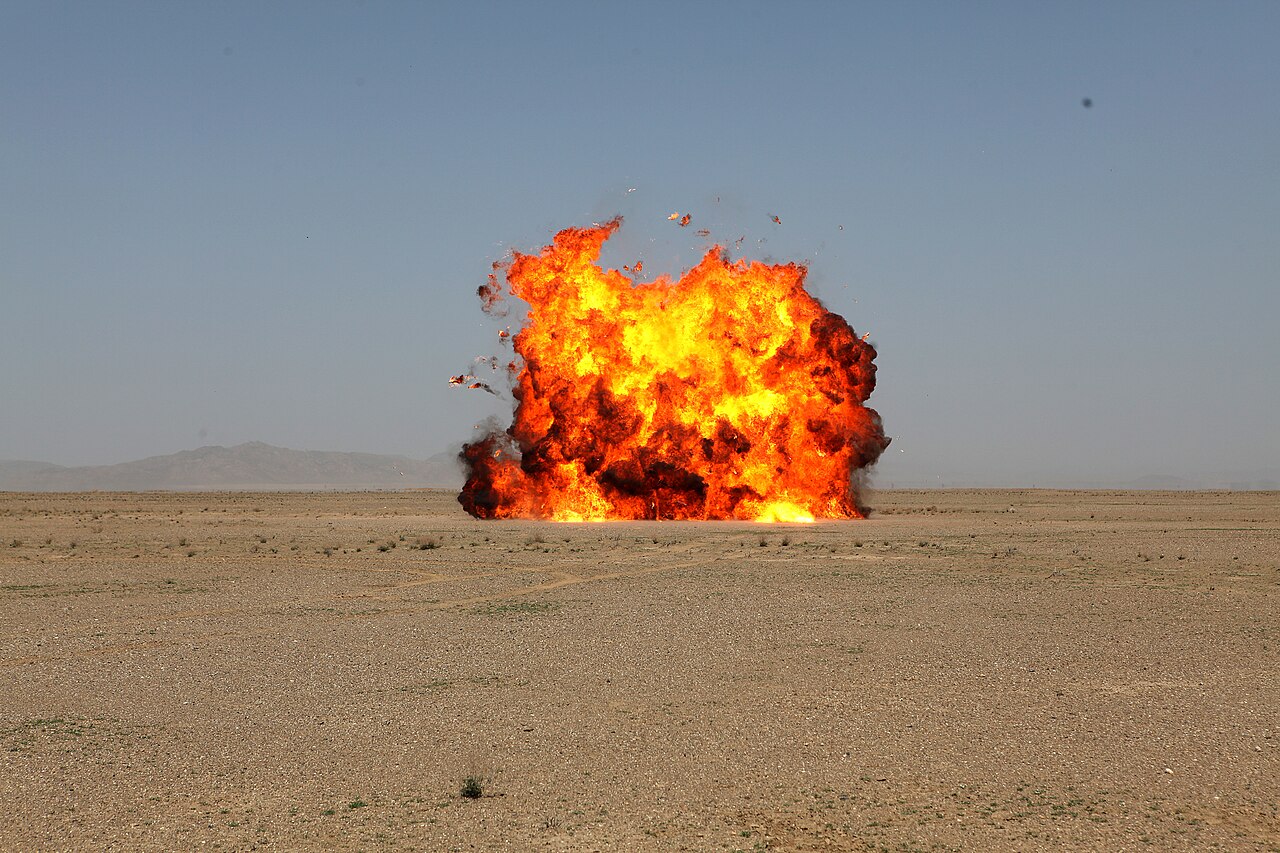
Thursday's dramatic events began with fresh rounds of **explosions heard in Qatar's capital, Doha**, accompanied by a visible column of black smoke rising over the horizon. Qatar's defence ministry quickly confirmed that its military was actively intercepting an incoming missile attack. Simultaneously, residents in Dubai and Bahrain's capital, Manama, also reported hearing significant explosions earlier in the day, indicating a widespread and coordinated assault across multiple Gulf states. This immediate threat prompted Qatar to initiate the evacuation of residents living near the US embassy in Doha, underscoring the severity of the situation.
The attacks, however, were not without consequences. In a grim development for the UAE, falling debris from an intercepted drone in Abu Dhabi resulted in injuries to six individuals of Pakistani and Nepalese nationality. The shrapnel struck two separate sites in the ICAD 2 area, highlighting the proximity of civilian populations to these military confrontations. The Abu Dhabi media office confirmed the incident, detailing "minor to moderate injuries" and crediting air defences for the successful interception that prevented potentially far greater damage. Throughout the Emirates, sirens have become a regular feature, alerting residents to incoming threats, with authorities reassuring the public that loud sounds heard are typically the result of successful air defence operations.
Beyond the Gulf, the human toll of this escalating conflict is becoming starkly apparent. At least 13 people have been killed across the Gulf region since Iran began its retaliatory attacks on Saturday, seven of whom were civilians. Compounding this tragedy, Washington has confirmed the deaths of six US servicemen, including four in Kuwait, underscoring the direct involvement and casualties sustained by international forces stationed in the region.
Iran's Retaliatory Strategy and Regional Fallout
Iran's latest wave of attacks is framed by Tehran as a direct response to the perceived assassination of its Supreme Leader and the ongoing military pressure from the US and Israel. Iran has explicitly threatened that the United States would "bitterly regret" torpedoing an Iranian warship in the Indian Ocean, and has even made calls for "Trump's blood," signaling an extremely aggressive stance. Israel, for its part, has responded by claiming to have hit multiple targets within Iran, indicating a symmetrical escalation of force.
The diplomatic fallout has been immediate and sharp. Qatar's Premier Sheikh Mohammed bin Abdulrahman Al Thani reportedly lambasted his Iranian counterpart, Foreign Minister Abbas Araghchi, during a heated phone call. According to a statement from Qatar's foreign ministry, the Qatari premier accused Iran of deliberately seeking to "harm its neighbours and drag them into a war that is not theirs." This public condemnation from a traditionally more conciliatory Gulf state highlights the deep concern and anger brewing among Iran's immediate neighbours, who find themselves unwilling participants in a rapidly expanding conflict.
The Strait of Hormuz: A Chokepoint Under Siege
Adding another critical layer to the crisis, Iran has enforced a strict naval blockade on the Strait of Hormuz. This vital waterway, through which a significant portion of the world's oil supply transits, is now effectively under Iranian control. Reports indicate that Iranian forces are actively targeting oil tankers attempting to navigate the strait, an action that directly threatens global energy security. This move effectively chokes off a major portion of the world’s energy supply, sending global markets into a tailspin and causing widespread alarm among international economic observers. The strategic implications of this blockade cannot be overstated, as it weaponizes a critical global trade route and promises to have far-reaching economic consequences. For further analysis on the economic ramifications, consider reading
Hormuz Blockade & Gulf Attacks: Global Markets in Turmoil.
This blockade serves multiple purposes for Iran: it's a potent bargaining chip, a means of inflicting economic pain on its adversaries, and a demonstration of its capacity to disrupt global systems. The targeting of commercial vessels in international waters is a severe breach of maritime law and significantly raises the stakes, drawing the attention of global naval powers committed to ensuring freedom of navigation.
Beyond the Gulf: Lebanon Dragged into the Fray
The conflict's ripple effects extend far beyond the immediate Gulf region. Following the news concerning Khamenei, Hezbollah, a powerful Iranian-backed militant group in Lebanon, launched a heavy barrage of rockets into northern Israel on Sunday. This action has effectively dragged Lebanon into a full-scale confrontation, with the Israeli military responding with devastating airstrikes across Southern Lebanon and the southern suburbs of Beirut. The engagement between Israel and Hezbollah marks the opening of a significant northern front, further complicating the regional landscape and raising fears of a broader, more protracted conflict involving multiple state and non-state actors. The involvement of Hezbollah, a key proxy for Iran, underscores the interconnectedness of regional conflicts and Tehran's ability to activate various fronts simultaneously.
Navigating the Crisis: Implications and Outlook
The unfolding events present a grave challenge to regional and international stability. The widespread **explosions in Doha, Manama**, the injuries in Abu Dhabi, and the tragic loss of US and civilian lives paint a grim picture of a region spiraling into deeper conflict. The direct targeting of critical infrastructure, commercial shipping, and population centers marks a dangerous departure from previous proxy confrontations.
Regional and international powers are on high alert, with no immediate signs of de-escalation in sight. The effectiveness of air defence systems in mitigating casualties, as seen in Abu Dhabi, highlights the critical importance of such technologies in modern warfare. However, even with successful interceptions, the risk to civilian populations remains profound. The rhetoric from Tehran, coupled with its aggressive actions, suggests a long and arduous path to any potential resolution. The world watches with bated breath as the Middle East, once again, becomes the epicenter of a crisis with global ramifications.
In this volatile environment, understanding the nuances of regional alliances and the strategic motivations of each player becomes crucial. The direct and indirect costs—humanitarian, economic, and geopolitical—will undoubtedly be immense, irrespective of how or when this current chapter of conflict concludes.
Conclusion
The recent **explosions over Doha and Manama**, the drone attack injuries in Abu Dhabi, and the confirmed US casualties are stark indicators of a dramatically escalating regional war ignited by Iran's retaliatory strikes. From the chokehold on the Strait of Hormuz threatening global energy supplies to the direct confrontation between Israel and Hezbollah on its northern border, the conflict has broadened on multiple fronts with alarming speed. As Gulf states find themselves unwilling participants and international powers struggle to contain the crisis, the imperative for de-escalation and diplomatic solutions has never been more urgent. Without a concerted effort to halt the spiraling violence, the Middle East risks plunging into a protracted and devastating conflict with profound and lasting consequences for global stability.