Hormuz Blockade & Gulf Attacks: Global Markets in Turmoil
The geopolitical landscape of the Middle East has plunged into a new era of profound instability, sending shockwaves across global markets. Recent reports detailing powerful explosions over Doha and Manama, the capitals of Qatar and Bahrain respectively, mark a perilous escalation of a conflict already teetering on the brink. These strikes, part of a concerted Iranian retaliatory campaign, have not only threatened regional stability but have also directly impacted the world's energy lifeline, the Strait of Hormuz, and sent vital commodity prices soaring.
The situation escalated dramatically following a massive aerial campaign by Israel and the United States against Iran, which reportedly led to the death of Supreme Leader Ali Khamenei. In response, Tehran unleashed a torrent of missile and drone attacks targeting both Israel and several neighboring Arab states, transforming an already tense region into a full-blown crisis zone. As the dust settles from these recent attacks, the world grapples with the severe implications for global trade, energy security, and international diplomacy.
A Volatile Escalation: Explosions Rock Key Gulf Capitals
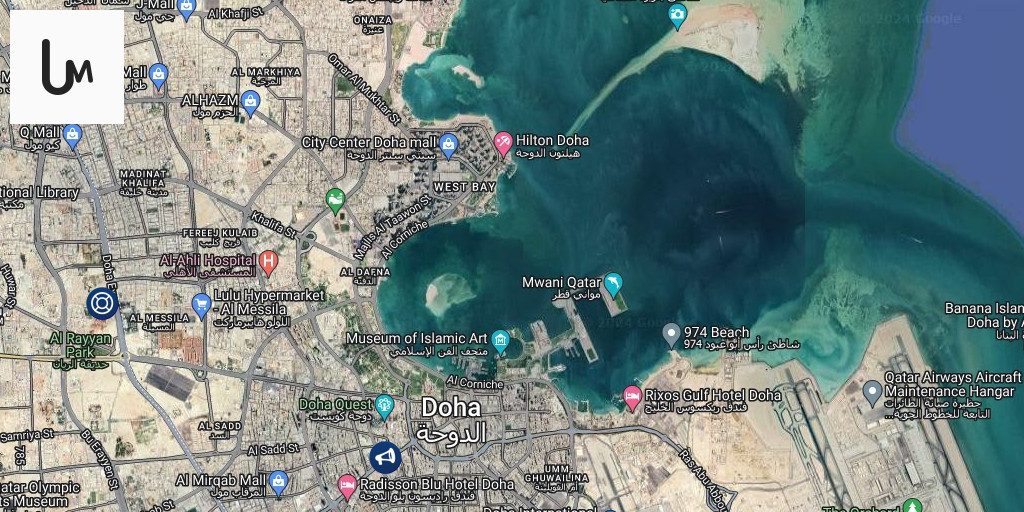
Thursday morning witnessed a dangerous expansion of the conflict, with Agence France-Presse (AFP) reporting significant explosions over Doha and Manama. Residents in both Qatar and Bahrain recounted hearing powerful blasts, with a column of black smoke reportedly rising over the horizon in Doha. Qatar's Ministry of Defense confirmed that its military was actively working to intercept an incoming missile attack, underscoring the direct and immediate threat posed to civilian areas.
The ripple effect of these attacks was felt across the Gulf. Residents in Dubai also reported hearing explosions earlier in the day, indicating the widespread nature of Iran's retaliatory strikes. In a precautionary measure reflective of the heightened threat, Qatar had earlier begun evacuating residents living near the US embassy in Doha, a clear sign of anticipated escalation.
The human cost of this renewed aggression was starkly evident in the UAE's capital, Abu Dhabi. Six individuals of Pakistani and Nepalese nationality sustained minor to moderate injuries from falling debris originating from an intercepted drone. This incident occurred in the ICAD 2 area, with authorities confirming the successful interception by air defenses. Such events highlight the indiscriminate nature of drone and missile warfare, where even successful interceptions carry significant risks for civilian populations. The Qatari premier, Sheikh Mohammed bin Abdulrahman Al Thani, during a call with his Iranian counterpart Abbas Araghchi, openly accused Iran of seeking to "harm its neighbours and drag them into a war that is not theirs," as stated by Qatar's foreign ministry, reflecting the profound regional anger and concern.
These incidents, characterized by the explosions in Doha and Manama and the injuries in Abu Dhabi, are not isolated events but form part of a larger, coordinated response by Iran following the reported death of its Supreme Leader. Tehran has vowed to make the United States "bitterly regret" its actions, further signaling its intent to broaden the scope of its retaliation against perceived aggressors and their allies in the region.
The Strait of Hormuz: A Global Economic Chokepoint Under Siege
Perhaps the most immediate and far-reaching consequence of the current escalation is Iran's enforcement of a strict naval blockade on the Strait of Hormuz. This narrow waterway, situated between the Persian Gulf and the Gulf of Oman, is a critical artery for global energy markets. Approximately one-fifth of the world's total petroleum consumption, and a third of the world's liquefied natural gas (LNG), passes through this chokepoint daily.
Reports indicate that Iranian forces are actively targeting oil tankers attempting to navigate the vital waterway. This aggressive posture effectively chokes off a major portion of the world's energy supply, sending global crude oil and natural gas markets into a tailspin. The immediate impact was a sharp spike in oil prices, reflecting fears of sustained supply disruptions. For consumers globally, this translates to higher fuel costs, increased utility bills, and potentially broader inflationary pressures across various sectors dependent on transportation and energy.
The blockade of Hormuz is a strategic move designed to inflict maximum economic pain on the international community, pressuring global powers to intervene or de-escalate. It underscores the profound interconnectedness of regional conflicts with global economic stability. Businesses reliant on global supply chains face heightened shipping costs due to increased insurance premiums and rerouting efforts, while industries from manufacturing to aviation feel the pinch of volatile energy prices. The stability of this strait is paramount for global economic health, and its current siege represents an unprecedented challenge.
Ripple Effects: Beyond the Gulf and Towards a Broader Conflict
The conflict's tendrils extend far beyond the Gulf. Following the news of Khamenei’s reported assassination, Lebanon’s Hezbollah group launched a heavy barrage of rockets into northern Israel on Sunday. This action has directly drawn Lebanon into a full-scale confrontation, with the Israeli military responding with devastating airstrikes across Southern Lebanon and the southern suburbs of Beirut. The escalation on Israel's northern border opens another dangerous front, threatening to engulf more nations in a regional conflagration.
The humanitarian toll is mounting, with at least 13 people, including seven civilians, reportedly killed in the Gulf region since Iran began its attacks. Tragically, Washington confirmed the deaths of six US servicemen, including four in Kuwait, highlighting the direct involvement and casualties sustained by international forces operating in the area. For a deeper dive into the immediate aftermath of these strikes, explore Doha & Manama Rocked: Iran's Retaliation Ignites Gulf Crisis. The broader picture of Iran's strategy, including the tragic casualties, is further detailed in Iran's Regional War: Doha Strikes, Abu Dhabi Injuries, US Casualties.
This multi-front conflict underscores the fragility of existing regional alliances and the potential for a cascading series of retaliations. International powers are on high alert, with urgent calls for de-escalation dominating diplomatic discussions. However, with Iran's firm stance and the depth of the initial provocation, immediate signs of a peaceful resolution remain elusive, casting a long shadow over the future of the Middle East and beyond.
Navigating the Turmoil: Implications for Businesses and Consumers
The current volatility stemming from the Gulf attacks and the Hormuz blockade carries significant implications for various stakeholders:
- Global Energy Markets: The most direct impact is on oil and gas prices. Businesses that rely heavily on fuel for operations, such as transportation, logistics, and manufacturing, will face increased costs. Consumers can anticipate higher prices at the pump and potentially increased utility bills. Volatility is likely to persist as long as the Hormuz situation remains unresolved.
- Supply Chains: Disruptions in the Strait of Hormuz will necessitate longer, more expensive shipping routes, delaying goods and increasing freight costs. Companies should assess their supply chain resilience, identify alternative routes, and consider diversifying sourcing to mitigate risks.
- Financial Markets: Stock markets typically react negatively to geopolitical instability, with investors seeking safer assets. Expect increased volatility in equity markets, particularly for companies with significant exposure to the Middle East or heavy reliance on global trade and energy.
- Insurance & Security Costs: Shipping insurance premiums for vessels operating in the region have already skyrocketed, adding another layer of cost for global trade. Security measures for assets and personnel in the Gulf will also need to be re-evaluated and potentially enhanced.
- Diplomatic & Geopolitical Landscape: Governments worldwide are engaged in intense diplomatic efforts. Businesses with international operations should closely monitor policy changes, travel advisories, and the evolving geopolitical alliances, as these can impact market access and operational capabilities.
Practical Advice for Businesses and Individuals:
- For Businesses: Conduct thorough risk assessments of supply chains, explore hedging strategies for energy costs, and maintain open communication channels with logistics partners. Consider contingency plans for employee safety in affected regions.
- For Consumers: Be prepared for potential fluctuations in energy prices. Understanding the link between geopolitical events and everyday costs can help in budgeting and financial planning.
- For Policymakers: The urgency for multilateral diplomacy, robust communication channels, and clear de-escalation pathways cannot be overstated. International cooperation is vital to prevent further destabilization and protect global economic interests.
The recent explosions over Doha and Manama and the subsequent events have unveiled a rapidly deteriorating security situation with far-reaching global consequences. The confluence of military escalation, the strategic blockade of the Strait of Hormuz, and the expansion of conflict into new territories underscores a critical juncture for international relations and global commerce. As the world watches anxiously, the urgent need for diplomatic solutions and de-escalation efforts remains paramount to avert a broader catastrophe and stabilize the turbulent global markets.